While not all students are motivated by rewards, many are. But, either way, rewarding students shouldn’t cost you a fortune. In fact, we’ve found that students will often perform better and feel more rewarded with simple and free rewards. Are you looking for ways to reward your students without breaking the bank? Here are 30 free ideas to motivate and reward your students.
Have You Considered Asking?
This was a revelation, but one year we did a simple survey in our classroom to ask students how they like to be recognized. It was very eye-opening. Some students just wanted reassurance they were doing a good job. Others wanted to be told they were doing a good job, but only in private and not in front of the class or school. Some students joked that they wanted to be celebrated with a parade.
One student thought lunch with the teacher was great, while another thought that would be a nightmare.
Get some feedback about what motivates your students and what doesn’t.
With that in mind, think about the rewards we’ve listed and figure out which ones will work for your class this year. And remember, you might need a completely different set of rewards next year. Some students are not motivated extrinsically at all, so you may need to rethink how you motivate students completely.
Rethink Rewards
Any physical object that you give to a student will cost money, so instead of thinking of physical rewards, look for non-tangible rewards.
Positive Reinforcement
Offer specific, sincere praise. Words of appreciation can mean a lot. It can be as simple as noticing a student by saying thank you or telling them what they’ve done well.
Public Recognition
Highlight students’ achievements in front of the class or school. It could be as simple as a statement like, “Thank you, Luka, for being ready to learn.” It’s amazing how it can make the one student feel, and you’ll often get a bunch of the students who straighten up because they want similar recognition.
Special Privileges
Allow students to choose a special privilege, like sitting by a friend or helping with a classroom task. Have your students brainstorm a list of special privileges and keep the list on hand. We’ve included rewards like picking where to sit, listening to music during work time, picking the game during gym class, or being a leader on a project.
Personalized Notes
Write handwritten notes to students expressing your appreciation. These can be long or short as long as they are personalized and meaningful.
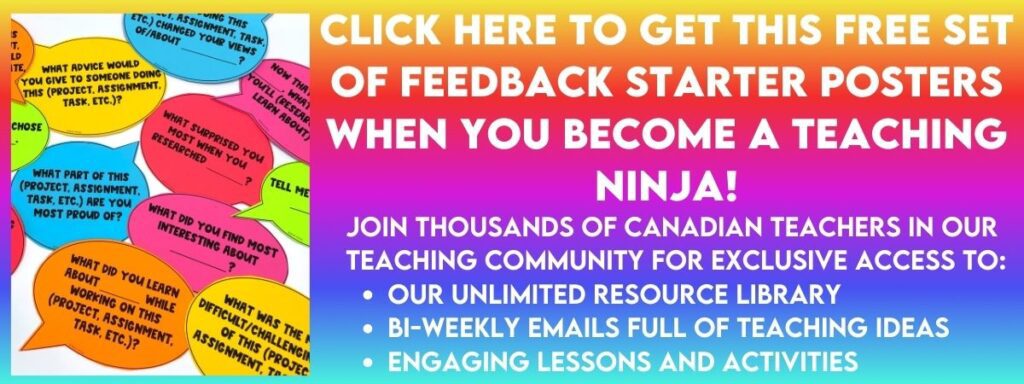
We use feedback notes and posters in our classroom because they are quick and easy to use. We’ll send them directly to your inbox when you sign up for our email list. If you’re already on the list, you can find them in the Resource Library.
Positive Phone Calls Home
Share positive news with parents or guardians at home. This can be especially meaningful for students who only get negative calls from school.
Special Jobs
Assign students special jobs like line leader or paper passer. Allowing students to be put in a position of trust can be a reward in itself. For example, putting a student in charge of a specific classroom supply can work wonders.
Tommy was a student who struggled with following any kind of rules, but he had a fascination with my smelly felts. He tried so hard to follow the rules and do his best, but temptation to the darker side always got the best of him. He was in care and it was unlikely he would get to have his own, so I put him in charge of collecting and accounting for all the felts after every class project. He treated that job like he was Minister of Smelly Felts and would proudly bring me the box with each one accounted for. He would even go so far as to let me know which ones were running low.
As a side note, I bought him his own box of smelly markers to take home with him over the summer (yes, that cost money, but it was a gift, not a reward). As you may have guessed, his name wasn’t really Tommy.
Student of the Week
Recognize a student each week and celebrate their achievements. This can be chosen by you or the students for any qualifier. Avoid it if your students are only picking the popular kids, while more suitable students should be chosen. It also doesn’t have to be every single kid as if it’s a rotation (because the kids know that’s what you’re doing), but it shouldn’t be the same kids every time either.
Mystery Motivator
Create a mystery motivator chart and reveal a surprise at the end of the week.
Bingo Board
This requires a piece of chart paper you can laminate so that you can use it over and over. Make a grid with six columns and six rows. Leave the top left box empty and write B-I-N-G-O in each of the columns across. Write B-I-N-G-O in each of the rows along the left side. Leave the rest of the boxes blank and laminate the sheet.
Make a popsicle stick for each of the coordinates. For example (B, B), (B, I), (B, N) and so on. We always use the coordinates for the y-axis (left side) followed by a comma, then the x-axis (top row). This is also an easy way for your students to master coordinates.
Each time you catch a student exceeding your expectations, let them write their name in a square with a whiteboard marker. When the board is full, draw a stick. The name on the winning coordinates gets to pick a reward (from your big list of special privileges and jobs.
You can also use Sharpie if your students like to wipe off the names. A little nail polish remover or writing over the names with a whiteboard marker will clean off the chart paper when you’re ready to start again.
Class Cheer
Create a unique class cheer to celebrate accomplishments. It can be a simple action or phrase and your students will buy into it more if they are the ones to write it.
Extra Free Time
Allow students extra free time to read, draw, or play games. Build this into your lesson so students think it’s a reward without taking away too much of your learning time.
Passion Projects
Let students choose their own topics of interest during a designated time. Our students worked on projects that they wanted to do. We gave them time in class to present to their peers. One student made dog cupcakes at home and explained her experimental taste test. What a great way to inspire learning! After that, we had another student who ran a cost analysis of opening a bakery for dogs in our town.
Wall of Fame
We have one bulletin board in our class where students can put their best work, whatever it is. They choose what goes on the wall and can change it out regularly. Having students choose what goes on the wall helps students build self-esteem. It doesn’t even have to be an assignment. One of our students shared a drawing she’d done from home.

Themed Day
Have a special theme day, like Hat Day or Silly Sock Day. We have an entire post with a list of 100 different theme days you can choose from. The fun of it can be that it’s only your class participating. The truth behind the idea of celebrating with your own class actually comes from the year we told our class the wrong day for the school’s pyjama day. It worked out for the better anyway.
Be the Example
When you have a student who’s done something exceptionally well, ask if you can use their work as an example for the class. Ask permission and then ask if they would like their name shared. Some students don’t want the fame, but still want the positive attention from the teacher.
Class Party
Plan a class party with simple decorations and snacks. This can be a party you were already planning to have for a holiday or school break.
Classroom Games
Play board games, card games, or charades. One of the best rewards our class earned was a board game afternoon. They brought their own games from home, and I watched students who never talked to each other play together while reading, learning new games, and following rules.
One on One Time
Some students respond very well to a few minutes of your undivided attention. This works really well with students who are attention-seeking or feel too shy to share in front of others. Arrange a time when you can sit and chat with a student about whatever they want to talk about. We used to save one recess a week to spend time with a student who just needed some attention for doing a great job. Not all students see this as a reward (especially if it means missing out on recess).
Choose the Seat
One reward that goes over well is letting a student choose their seat. This could be next to a student or even in the teacher’s desk. One year, we allowed students to move their desks anywhere in the classroom for a day. It worked well because they typically picked a spot away from the rest of the class. Our only rule was that it had to be in the classroom and stay in the same place.
Extra Gym Time
Keep an eye on the school schedule and look for a day where another class will be gone on a field trip and won’t be using their scheduled gym time. Ask if you can use it and give your students a “free gym class.”
Wear Something
This can be something like being allowed to wear a hat in class or slippers. As long as it doesn’t interfere with learning or safety, use it as a reward.
Story Time
Read aloud to your students, but read something for fun rather than something from your curriculum. It’s okay to read to your students. Our post 15 Ways to Engage Readers During Your Read-Aloud might be helpful.
Lend a Student
If you have a student who’s a great leader, lend them to another younger class where they can be a helper. Some students love to help out.
Movie Day
Show a short educational film or a kid-friendly movie. If you’ve read a book that has a movie adaptation you can show the movie under the guide of comparing it to the book.
Art Project
Create a collaborative art project, but let your artists decide on the project. Sometimes the biggest reward you can give students is choice. We have lots of different collaborative posters. One of our favourites is Be the Sunshine on Someone’s Rainy Day in our TpT Store ($USD) or our BN Shop ($CAN).
Music and Movement
Dance, sing, or play instruments. Ask students about their favourite music artists and add music to your lessons when it’s appropriate.
Choose a Class Representative
This is the student who can go to any other room in the school for any errands. If you have a new student in your class, they can be one who shows the new student around the school and helps get them settled.
Outdoor Play
Have a fun outdoor activity, like a scavenger hunt or nature walk. Nothing rewards older students like getting to go play on the playground. This was often the case at our school because students weren’t allowed on the playground during recess because we had so many small kids, and we didn’t want anyone getting hurt accidentally.
Eat Lunch Together
Depending on where your students normally eat lunch, they could have lunch with a friend somewhere different. Our students eat in our classroom, but chosen students get to eat together in the hall. This will of course depend on the situation at your school and whether or not students even eat lunch at the school. Many of our students go home for lunch.
Choose a Brain Break
Let your rewarded students choose the activity for a brain break. Make sure this is at a time where it doesn’t matter what the brain break is or if it will be a little disruptive.
Positive Reinforcement Cards
Give students cards to recognize their peers’ positive behaviour.
Themed Lessons
Plan lessons around students’ interests. A simple interest survey will help you understand what your students want to learn about. This can be as simple as knowing they love dinosaurs and then using the names of dinosaurs to teach phonics.
Appoint a Class Liason
Choose a student who shows responsibility to be the classroom liaison. Students can go to that student for information about the class, instructions for assignments or anything else before they go to the teacher. This can be very helpful when the teacher needs to work with a small group without interruptions.
No Homework Pass
We don’t actually give homework, but if you do, giving students a night off is a great reward.
Banned Toy Day
Allow a student to bring a toy they aren’t usually allowed to have in class. Use this strategically. We allowed the whole class to bring the toys, and they were only allowed IN the classroom for the assigned day. There were a lot of Pokémon Cards and fidget spinners in the room that day.
Writing Tool
Allow students to write with something different for the day. A silly pen or pencil can be a lot of fun. As long as students can still use it to complete their work (or if there are exceptions like a test), students seem to enjoy this.
Choose the Read-Aloud
Let a student choose the next book you’ll read to the class. The only time it backfired is when a student chose a novel too close to the end of the year and we didn’t get to finish the book.
Be the First
Talk to your school librarian and arrange for the student to be the first student to sign out a new library book.
Office Helper
Arrange for a student to help in the office for part of the day (but only if that is not going to annoy your office staff). They might be able to read the announcements or do small tasks.
Be the Class Greeter
Arrange for a student to be the student who greets everyone as they come into the classroom or even the school.
Show and Share
Even older students love to bring something to share with the class. Even shy students like to talk about something that is important to them.
Do You Need Help With Classroom Managment?
Rewards are just one part of having an effective classroom management strategy. If the only thing you have in your toolbox is rewards, you might need to rethink your plan. These posts might be helpful to you:
- How to Make Students Listen Without Yelling
- Why Your Classroom Management Isn’t Working and How to Fix It
- How to Chuck the Classroom Management Charts
- How to Teach Small Groups and Keep the Rest of the Class Busy
- 13 Ways to Deal With Behaviours Without Taking Away Recess
- How to Accidentally Teach Helplessness to Students
- How to Keep Students Accountable During Project Based Learning
Classroom management is a skill that is developed over time, and just when you get it down, you get a whole new group of kids to figure out. Never underestimate simple things. One of our most successful rewards was letting kids read outside for the last fifteen minutes of the school day. It was so simple but felt like a huge reward to the kids.
Let us know what free rewards you’ve tried in your classroom.